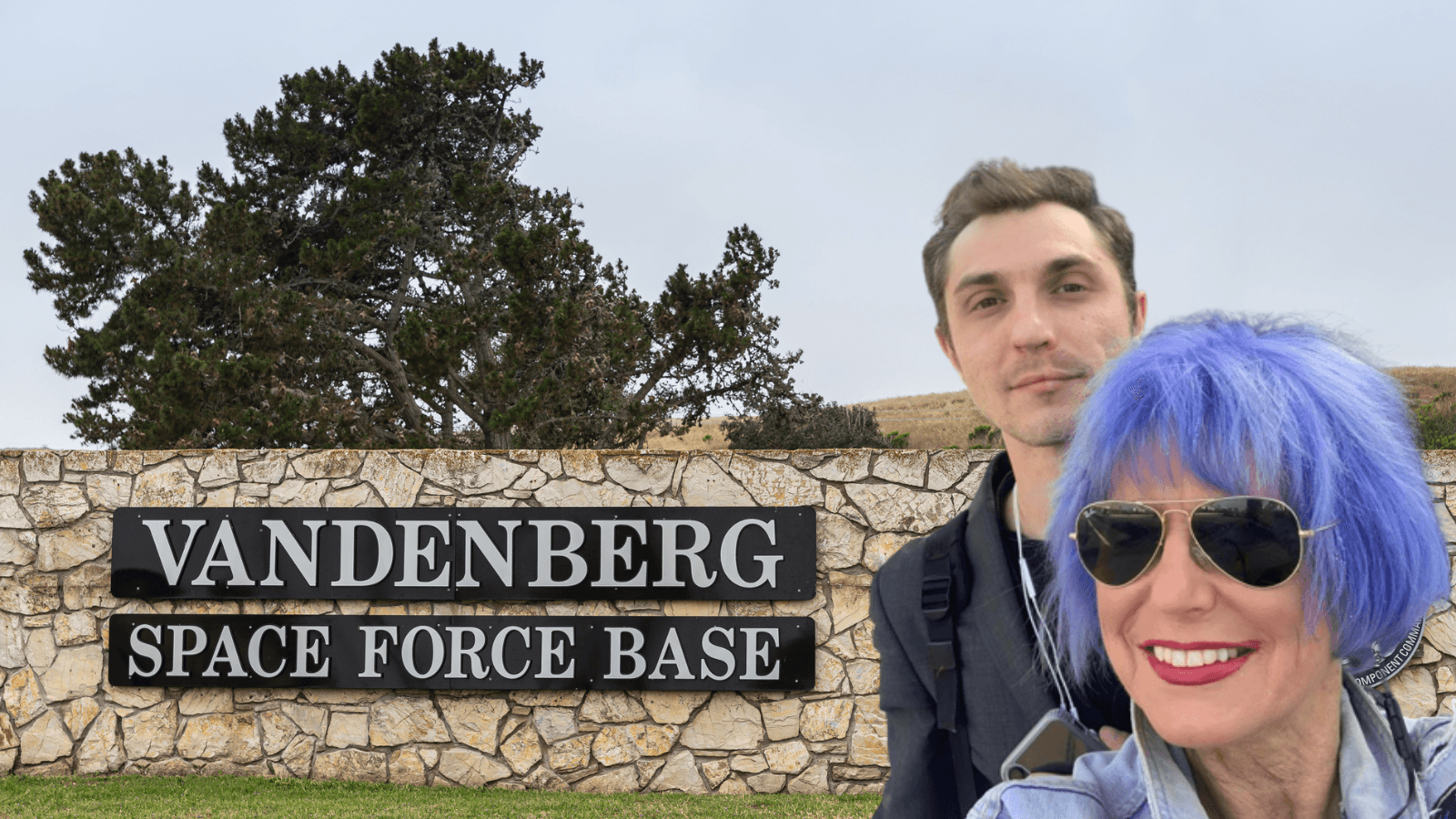
VP Kamala Harris invites Copernic Space to join discussions about space debris policy.
Vice President Kamala Harris's visit to Vandenberg Space Force Base marked a significant moment for space policy in the United States. By inviting Copernic Space founder Eva Blaisdell to participate in discussions about space debris policy, the administration signaled recognition of private sector expertise in addressing one of the most pressing challenges facing humanity's expansion into space.
Critical Policy Discussions
Space debris represents an existential threat to continued orbital operations. The Kessler Syndrome—a cascade of collisions creating exponentially more debris—isn't a science fiction scenario; it's an increasingly probable outcome if current trends continue. Vice President Harris's focus on space debris policy reflects growing government recognition that sustainable orbital operations require proactive policy intervention.
The discussions at Vandenberg centered on several critical policy areas:
- Satellite Design Standards - Establishing minimum requirements for deorbiting capabilities and collision avoidance
- Active Debris Removal - Federal support for technologies to remove defunct satellites and debris
- Orbital Tracking Infrastructure - Investment in better monitoring and conjunction prediction systems
- International Coordination - Developing multilateral agreements on responsible space operations
The Space Debris Challenge
Space debris is a quantifiable threat. Approximately 34,000 objects larger than 10 centimeters are being tracked in Earth orbit. There are estimated to be 1 million objects between 1 and 10 centimeters. Each represents a potential collision hazard traveling at speeds exceeding 17,500 miles per hour—fast enough that a collision with an object the size of a golf ball could render a satellite inoperable.
The problem creates a dangerous feedback loop. Every collision or explosion generates more debris. Higher debris density increases collision probability. More collisions create more debris. Without intervention, certain orbital regions could become unusable for decades.
This affects not just space operators but everyone who depends on space-based services:
- GPS and navigation systems that power global commerce
- Weather forecasting and climate monitoring satellites
- Communications and internet connectivity
- National security systems and space domain awareness
Industry Leadership on Policy
Copernic Space's inclusion in the Vice President's space debris policy discussions reflects the critical role that industry plays in addressing orbital challenges. Private space companies operate the majority of satellites in Earth orbit. They understand the technical constraints, economic factors, and practical realities that shape responsible space operations.
By bringing together government policymakers and industry leaders, the administration recognized that sustainable space policy requires collaboration across sectors. Private space operators have direct incentives to prevent debris creation—defunct satellites and debris create operational hazards for their own ventures and increase insurance costs.
The discussions also highlighted the role of innovative financing mechanisms in supporting debris mitigation. Blockchain-enabled capital markets can fund active debris removal operations, incentivize sustainable satellite design, and create economic markets for responsible space practices. By tokenizing space assets and enabling global investment in sustainable ventures, platforms like Copernic Space align financial incentives with environmental responsibility.
Vice President Harris's visit to Vandenberg and her inclusion of industry voices in space debris policy discussions signals that the U.S. government takes seriously the challenge of maintaining sustainable orbital operations. As space commerce accelerates and more actors enter the space economy, robust policy frameworks will determine whether we preserve Earth orbit as an accessible frontier or allow it to become a debris-choked wasteland.
The future of the space economy depends on getting debris policy right. Through collaboration between government and industry, we can ensure that space remains open and prosperous for generations to come.
Invest in Sustainable Space
Support responsible space operations through Copernic Space. Invest in ventures that prioritize sustainable practices and debris mitigation.