Why NASA and Private Space Ventures Need a New Economic Model
The space economy is on the verge of explosive growth. From NASA's ambitious Artemis program to a wave of private space ventures, humanity's presence beyond Earth is accelerating at an unprecedented pace. Yet the current economic framework for space activities is outdated and unable to unlock the industry's full potential.
The Space Economy is Accelerating
From NASA's ambitious Artemis program aiming to return humans to the Moon, to a new wave of private space ventures launching satellites, planning lunar infrastructure, and building data centers in space, humanity's presence beyond Earth is accelerating at a new and unprecedented pace.
However, despite this exciting momentum, the current economic framework for space activities is outdated, fragmented, and unable to fully unlock the vast potential of this new frontier. Both government agencies like NASA and private companies face significant challenges in financing, managing, and commercializing space assets and missions.
Why the Existing Model Falls Short
The current approach to space financing has several critical limitations:
Capital Intensive and High Risk
Space ventures and missions are extraordinarily expensive and complex. Launch costs, technology development, regulatory hurdles, and long timelines require huge upfront investment. For private ventures, securing funding is a constant struggle, while government budgets are limited and subject to political shifts.
Illiquidity in Space Assets
Space ventures and assets remain largely illiquid and inaccessible compared to terrestrial asset classes. These assets are not easily tradable or monetizable, limiting the ability of space companies to unlock capital. The absence of a functioning secondary market eliminates investor exit options and discourages broader participation.
Lack of a Marketplace
There is no centralized or transparent marketplace for space assets and services. This results in inefficiencies, lack of price discovery, and limited opportunities for collaboration. Long liquidity event timelines create bottlenecks where stakes remain trapped in illiquid contracts.
Fragmented Funding Models
Traditional funding is often siloed, restricting capital flow and limiting smaller space companies' ability to scale. There's little room for innovative approaches like fractionalized exposure to revenue-generating payloads or profit-participating missions.
The New Economic Model We Need
To overcome these challenges, the space economy requires a fundamental transformation:
- Liquid, transparent marketplaces for space assets with tokenization and fractional ownership
- Functioning secondary markets providing liquidity, price discovery, and exit opportunities
- Integrated financing platforms connecting investors directly with space ventures
- Risk reduction mechanisms improving capital efficiency and broadening participation
- Community engagement democratizing access to space opportunities
Tokenization and Fractionalization
Copernic Space enables the conversion of space assets—satellite systems, lunar missions, data streams—into digital tokens on a secure blockchain. This process transforms previously illiquid and complex assets into fractional, easily tradable digital units.
Through fractional ownership, buyers and investors can access portions of high-value assets that would otherwise be inaccessible. This creates new liquidity, increases inclusivity, and drastically reduces the capital barrier to entry. This applies equally to real-world space infrastructure (like payload slots or satellite capacity) and financial space assets (such as tokenized revenue-share agreements).
The SpaceMart Marketplace
SpaceMart is Copernic's marketplace where tokenized and fractionalized space assets can be bought, sold, and accessed transparently and securely. This marketplace fosters price discovery, provides liquidity, and opens space assets to a global network of buyers, sellers, and investors.
SpaceMart breaks down traditional barriers, enabling startups, investors, governments, and even collectors to participate in space commerce with fractional exposure. Whether it's a payload allocation or the future value of a commercial Moon landing, participation is now accessible to everyone.
Case Study: SpaceForest Suborbital Rocket
In partnership with SpaceForest, Copernic Space tokenized and sold fractional commercial access to a fully reusable suborbital rocket. Buyers could gain resale rights and receive physical proof of their ownership. This was the first time private ownership of an actual rocket was commercially executed through tokenized access.
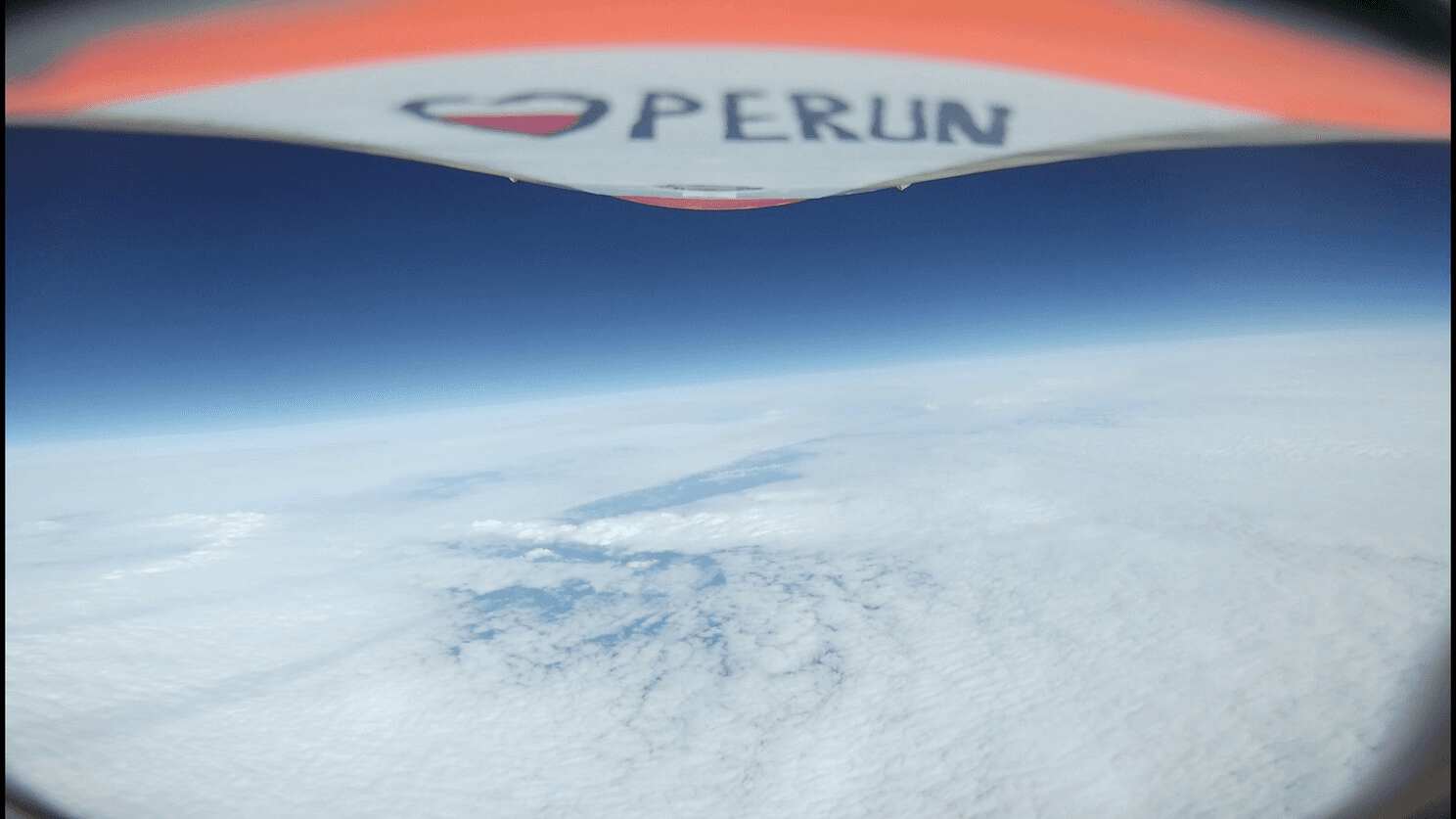
SpaceForest Perun Rocket - First Tokenized Rocket Ownership
DeFi Financing for Space
Copernic introduces DeFi tools specifically designed for space ventures. This financing platform allows space companies to raise capital through innovative mechanisms like staking, liquidity pools, and revenue-sharing smart contracts.
With fractional investment and tokenized exposure, investors can fund promising missions directly, earning returns while sharing in mission success. This model reduces dependence on traditional venture capital and government funding alone, decentralizes investment risk, and allows capital to move more dynamically.
Space Staking and Mission Success
With Copernic's unique Space Staking feature, token holders can stake their tokens to support specific space missions or ventures. This not only provides liquidity to companies needing funds but also aligns investor incentives with project outcomes. As staking grows, more people can share in the upside of a mission without owning the entire asset.
Creating a Secondary Market for Space
Copernic Space introduces a critical layer by enabling tokenized assets to be resold and exchanged, creating a functioning secondary market for both real-world and financial space assets. This secondary trading capability allows investors to realize returns, redistribute risk, and unlock capital previously trapped in illiquid contracts.
Copernic's platform transforms static space investments into dynamic, tradeable assets that strengthen the entire economic cycle, driving recurring participation, deeper capital pools, and greater investor trust.
Democratizing Space Investment
Copernic opens space investment to a wider audience, including crypto enthusiasts, impact investors, and global communities, beyond traditional space insiders or institutional investors. By enabling fractional ownership of mission rights, payload slots, or commercial returns, the platform makes participation scalable.
Investors can now back a Moon mission or data satellite without needing to be a VC or space agency. This inclusivity accelerates innovation, diversifies capital sources, and nurtures a global space economy.
Building the Future of Space
The next great leap in space exploration and commercialization demands a new economic model. An economic model that transforms illiquid, capital-intensive projects into accessible, fractional, tradable assets backed by an engaged global community of investors and innovators.
Copernic Space is building that model today. By leveraging blockchain, tokenization, decentralized finance, and a dedicated marketplace, Copernic Space addresses the most pressing challenges of the space economy—unlocking liquidity, enabling efficient financing, decentralizing risk, aligning incentives, and democratizing access.
This new economic framework empowers NASA, private space ventures, investors, and communities alike to share in the promise of the space age.
Join the Space Revolution
Be part of the economic transformation of space. Invest in real space assets, support groundbreaking missions, and shape the future of humanity beyond Earth.